 Final Roasts of Fall Available While Supples Last! SHOP NOW

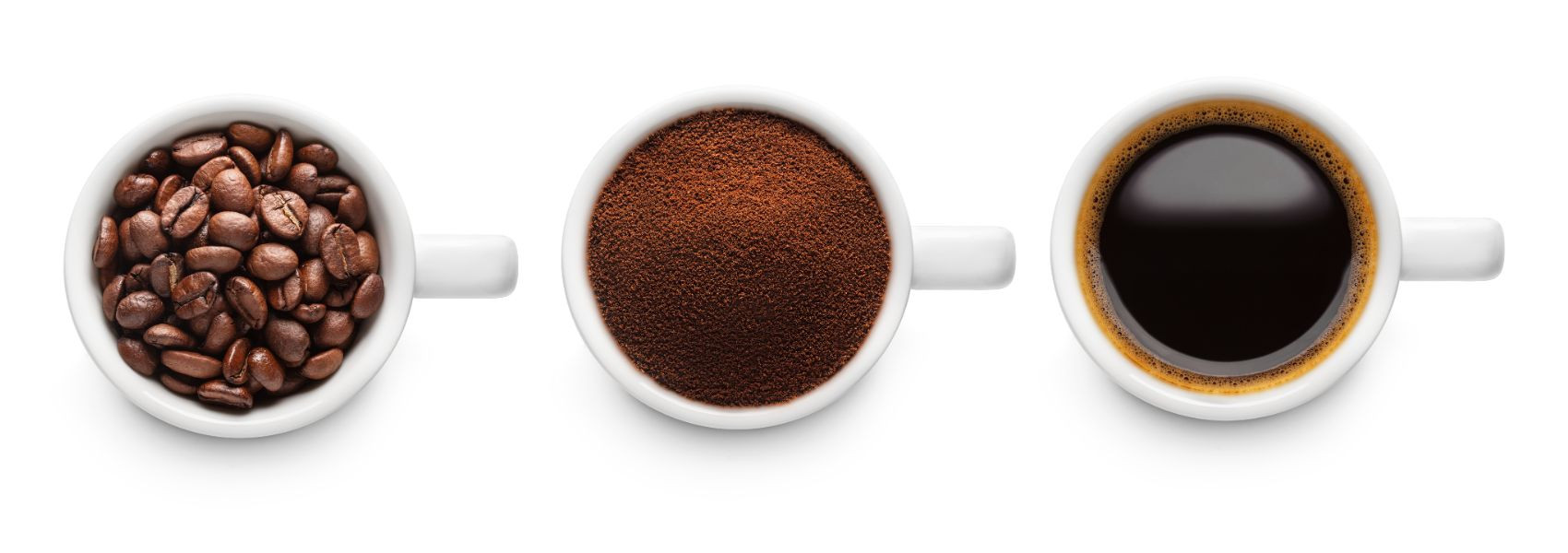
Roast Level and Coffee Aroma Changes
How Roast Level Changes Coffee's Aroma and Mouthfeel
Every cup of coffee starts life as the same humble green bean. What turns that raw seed into the fragrant, richly textured drink in your mug is roasting — and how far you push that process changes almost everything about how coffee smells and feels in your mouth. Roast level isn't just a color on a bag; it's a set of chemical transformations that dictate whether your coffee comes across as bright and floral or deep and syrupy. Understanding those transformations can help you choose a roast that actually matches what you want from your morning cup.
What Happens to the Bean During Roasting
Roasting is essentially a controlled application of heat that drives a cascade of chemical reactions inside the bean. As beans heat up, sugars caramelize, acids break down, and hundreds of aromatic compounds form through the Maillard reaction — the same browning reaction responsible for the smell of toasted bread or seared meat. The longer and hotter the roast, the more these reactions progress, and the more the bean's original character gives way to flavors created by the roasting process itself. Roast level simply describes how far along that continuum a bean has traveled, from lightly roasted to deeply dark.
At Door County Coffee, this process starts with Specialty Class 1 Arabica beans, representing the top tier of coffee grown worldwide, and runs through Fluidized Air Bed Roasters that circulate hot air evenly around the beans rather than relying on direct contact heat. That even, air-driven roasting helps prevent scorching and preserves natural sweetness and complexity at every roast level, so the differences you taste between a light and dark roast come from intentional roasting choices, not inconsistent equipment.
Light Roasts: Bright Aroma, Delicate Body
Light roasts spend the least time over heat, which means they retain more of the green bean's original chemistry. Because fewer of the bean's natural acids break down, light roasts carry noticeably higher acidity, giving the aroma a lively, almost sparkling quality. Rather than smelling toasty or smoky, a light roast's fragrance tends to lean fruity, floral, or even herbal, closely tracking the characteristics of the bean's growing region.
That same restraint carries into mouthfeel. Light roasts tend toward a thinner, more tea-like body — a delicate, refreshing texture rather than a coating, heavy one. This makes them a favorite for coffee drinkers who want to taste the bean's origin as clearly as possible, since less of the original character has been roasted away. If you enjoy layering flavors, light roasts also pair naturally with brighter additions like citrus zest, since the coffee's inherent acidity has room to interact with those notes rather than being overwhelmed by roast-driven bitterness.
Medium Roasts: The Balancing Act
Medium roasts occupy the middle ground, and that balance is exactly the point. By this stage, beans have passed through "first crack" (the audible popping that signals internal moisture and gases expanding) but haven't gone far enough to reach "second crack." The result is a rich brown bean with a dry, non-oily surface and a flavor profile that blends the brighter acidity of a light roast with the deeper sweetness that develops as roasting progresses.
Aromatically, medium roasts often introduce notes of caramel, toasted nuts, and light chocolate alongside whatever fruity or floral character the bean started with — a more layered, rounded smell than a light roast's sharper brightness. Mouthfeel follows suit: medium roasts typically deliver a fuller, more satisfying body than light roasts, without tipping into the heaviness of a dark roast. That versatility is part of why medium roast is such a common base for flavored coffees; the balanced acidity and body give added flavoring — vanilla, blackberry shortcake, churro, and dozens of other profiles — room to shine without fighting the coffee's own character. It's also why medium roast adapts so well across brewing methods, from drip to French press, since neither acidity nor body dominates the cup.
Dark Roasts: Bold Aroma, Full-Bodied Texture
Push a roast further, through and into second crack, and you get a dark roast. The extended time over heat breaks down significantly more of the bean's organic acids, which is why dark roasts are known for low acidity and a smooth, less tangy profile. In their place, deep caramelization brings out bold notes of chocolate, molasses, and toasted spice, sometimes edging into a smoky quality. The aroma is often the most immediately noticeable difference — dark roasts tend to fill a room with a heavier, more intense fragrance than their lighter counterparts.
Mouthfeel is where dark roasts really set themselves apart. As roasting progresses, oils migrate to the surface of the bean, and those oils contribute to a noticeably richer, weightier texture in the cup — a full-bodied, almost velvety mouthfeel that coats the palate. This is part of why dark roasts, like Door County Coffee's Dark Voyage and Death's Door blends, are so popular for espresso and French press brewing: both methods are built to showcase a heavy body, and dark roast oils deliver exactly that. Dark roasts also stand up well to rich pairings, from chocolate desserts to a straightforward addition of cream, since their bold flavor doesn't get lost.
Finding Your Roast
None of this means one roast level is objectively better than another — it means each one delivers a different sensory experience by design. If you're chasing the clearest expression of where your coffee came from, light roast is built for that. If you want balance and versatility, medium roast is the workhorse. If you love a heavy, aromatic cup that leans into deep, roasted flavors, dark roast delivers that in full.
If you can't quite choose, blends that combine multiple roast levels — such as Door County Coffee's Black and Tan, which mixes light, medium, and dark beans — offer a way to experience that layered complexity in a single cup. Wherever you land on the spectrum, understanding how roast level shapes aroma and mouthfeel turns coffee tasting from guesswork into something you can actually navigate, one aromatic, textured sip at a time.