 Final Roasts of Fall Available While Supples Last! SHOP NOW

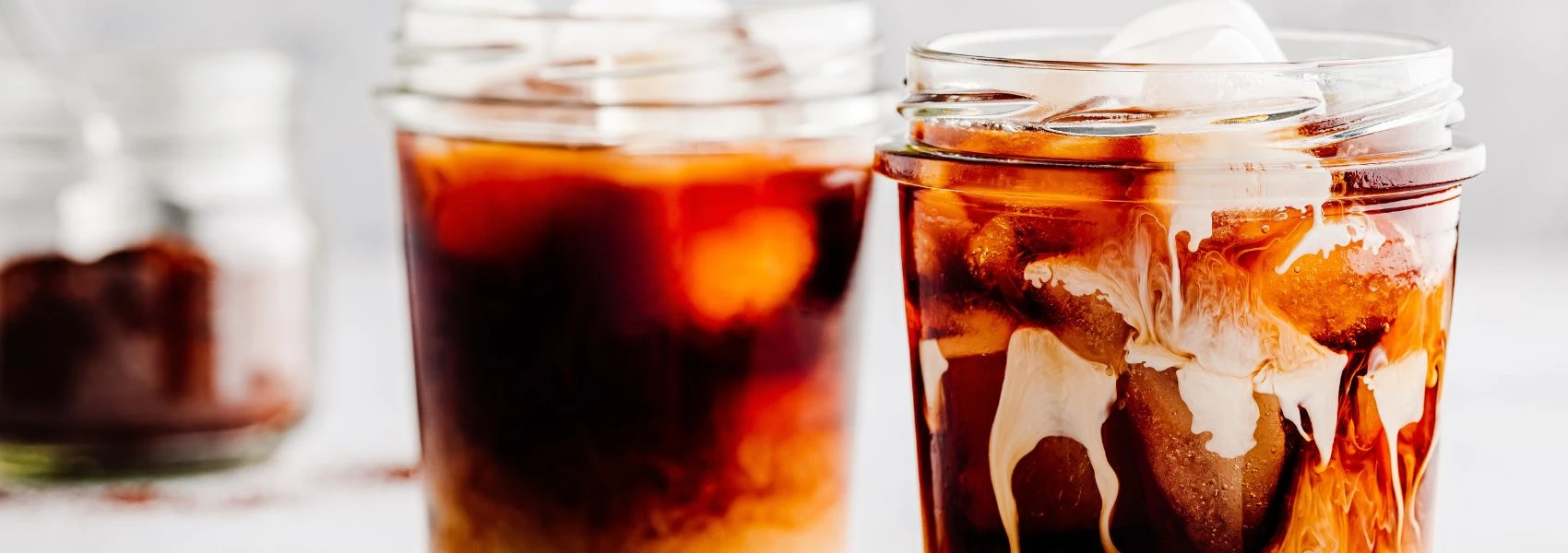
Why Sweeteners Dissolve Differently in Cold Brew Coffee
Why Sweeteners Dissolve Differently in Cold Brew Coffee (And How to Fix It)
If you've ever dumped a spoonful of sugar into a glass of cold brew and watched it sink to the bottom like a tiny snowdrift, you already know the problem. Cold brew coffee is one of the most refreshing ways to enjoy your daily cup, but its temperature creates a genuine chemistry challenge when it comes to sweetening it. Understanding why sweeteners act the way they do in cold coffee — and what to do about it — can transform your iced coffee routine from gritty and uneven to silky and consistent.
How to Make Cold Brew Coffee at Home
Before we get into the science of sweetness, it helps to understand what cold brew actually is, because the brewing process itself plays a role in how sweeteners behave later.
Cold brew is coffee steeped in room-temperature or cold water for an extended period, typically 12 to 24 hours, rather than brewed quickly with hot water. This slow extraction pulls out flavor compounds differently than hot brewing does, resulting in a naturally smoother, less acidic, and less bitter cup. Because heat is never introduced, cold brew also tends to taste rounder and slightly sweeter on its own, even before any sweetener is added.
Making cold brew at home is simple:
- Choose a coarse grind. A coarse, even grind prevents over-extraction and keeps the finished brew from turning muddy or bitter. Door County Coffee's cold brew kits, like the Cold Brew Flavored Coffee Kit and the Cold Brew Non-Flavored Coffee Kit, come with coffee ground specifically for this purpose, so you don't have to guess.
- Combine coffee and cold water. A general ratio is one part coffee to four parts cold, filtered water for a concentrate you'll dilute later, though ratios can be adjusted to taste.
- Steep for 12 to 24 hours. Steep at room temperature or in the refrigerator. Longer steeping produces a bolder, stronger concentrate.
- Filter thoroughly. This is where a dedicated brewer matters. The Toddy Cold Brew Coffee Maker and the Toddy Artisan Small Batch Cold Brewer use felt or paper filters to strip out fine grounds and sediment, leaving a clean, silty-free concentrate rather than something that needs to be run through a coffee filter three times.
- Dilute and serve over ice. Mix your concentrate with water, milk, or a milk alternative to taste, then pour over ice.
That final filtering step matters more than people expect — and it circles right back to the sweetener question.
The Science: Why Sugar Struggles in Cold Coffee
Solubility, or how well a substance dissolves in a liquid, is directly tied to temperature. Warmer liquids have more energetic, faster-moving molecules, which create more space and collisions for a solid like sugar to break apart and disperse. Cold liquids move more sluggishly. The molecules are packed tighter and interact less energetically, so solids take longer to break down and disperse evenly.
This is why a spoonful of granulated sugar stirred into hot coffee vanishes almost instantly, while the same spoonful in cold brew often settles into a stubborn layer at the bottom of the glass, no matter how long you stir. You're not doing anything wrong. You're just up against basic thermodynamics.
Different sweeteners handle this cold environment in noticeably different ways:
- Granulated sugar dissolves slowly in cold liquid and frequently leaves undissolved crystals behind, especially in a concentrated cold brew.
- Liquid sweeteners, such as simple syrup, honey, agave, or maple syrup, are already in solution, so they blend into cold coffee almost immediately with a quick stir. This is why coffee shops overwhelmingly favor simple syrup for iced drinks.
- Powdered sugar dissolves a bit more readily than granulated sugar because of its finer particle size, though it can add a subtle starchy texture from the anti-caking agent it contains.
- Artificial and alternative sweeteners like stevia or monk fruit vary by brand and formulation; liquid versions dissolve instantly, while powdered versions behave more like granulated sugar, though usually with finer, faster-dissolving crystals.
- Flavored syrups, the kind used for vanilla lattes or caramel drinks, are formulated as liquids specifically so they integrate smoothly into both hot and cold beverages without separating.
Getting an Even, Sweet Cold Brew Every Time
A few simple habits solve most of the dissolving problem:
- Make a simple syrup. Dissolve equal parts sugar and hot water on the stove, then cool and store it in the fridge. Because it's already liquid, it disperses evenly into cold brew with just a stir.
- Sweeten the concentrate before it's cold. If you're making a batch of cold brew, stir in your sweetener while the concentrate is still at room temperature, right after brewing, rather than waiting until it's over ice.
- Use a fine, well-filtered brew. A cleanly filtered concentrate, like what you get from a Toddy system, doesn't compete with leftover coffee sediment, so sweeteners and flavors distribute more evenly throughout the glass.
- Stir, don't just swirl. Cold liquid needs more mechanical energy to help dissolve solids, so a longer, more thorough stir (or a quick shake in a sealed container) makes a real difference.
Pairing Sweeteners with Door County Coffee
The coffee you start with also shapes how much sweetener you'll want. Bolder, richer flavored coffees can carry sweetness beautifully with barely a touch of syrup. Door County Coffee's Chocolate Raspberry Truffle and Salted Caramel Whiskey coffees, for example, already bring dessert-like notes to a cold brew concentrate, so a small amount of simple syrup or a splash of flavored creamer goes a long way. For a cleaner, more traditional cup, something like the Golden Espresso or one of the single-origin blends gives you a neutral base that takes well to any sweetener you prefer, from honey to a flavored syrup.
If you're just getting started, the Cold Brew Flavored Coffee Kit and Cold Brew Non-Flavored Coffee Kit pair a Toddy brewing system with coffee suited for cold steeping, taking the guesswork out of both the brewing and the sweetening process.
The Bottom Line
Sweeteners aren't unpredictable in cold brew — they're just following the rules of temperature and solubility. Liquid sweeteners dissolve fastest, powdered and granulated sugars need extra help, and a well-filtered, well-brewed cold brew gives every sweetener a cleaner shot at blending in evenly. With the right technique, and a quality cold brew system and coffee, you can enjoy a perfectly smooth, evenly sweetened glass every time.