
6 Common Coffee Brewing Mistakes and How To Avoid Them
There’s nothing quite like that first sip of coffee in the morning. It’s a ritual many of us cherish, but what happens when your daily brew tastes a little… off? You might have the best beans and the fanciest equipment, but a few simple missteps can stand between you and a truly delicious cup. If your coffee is consistently bitter, weak, or just plain disappointing, you might be making some common brewing mistakes.
The good news is that these errors are easy to fix! Crafting the perfect cup of coffee is an art, but it’s also a little bit of science. Understanding the fundamentals can transform your coffee-making routine from a daily chore into a delightful experience. We’ll explore the six most common coffee brewing mistakes and how to avoid them. By the end of this read, you’ll have the knowledge to brew a cup that rivals your favorite cafe, right in your own kitchen. Let’s get brewing!
Using Water at the Wrong Temperature
Using water that is either too hot or too cold is one of the most common pitfalls in coffee brewing. Water temperature directly affects how flavors are extracted from the coffee grounds. If the water is too hot—boiling, for instance—it will scald the grounds, leading to over-extraction. This results in a burnt, bitter, and harsh taste. In contrast, if the water is not hot enough, it won’t be able to extract all the desirable flavor compounds, leaving you with a weak, sour, and under-developed cup.
For optimal extraction, the ideal water temperature is between 195 to 205 degrees Fahrenheit. The easiest way to achieve this is to bring your water to a boil and then let it sit for about 30 to 45 seconds before you start pouring. This slight cooling period allows the temperature to drop into the perfect range for brewing. Using a thermometer can provide precision but simply waiting a moment after boiling works just as well for a consistently better-tasting brew.
Incorrect Coffee-To-Water Ratio
Achieving the right balance between coffee and water is crucial for a well-rounded cup. Too much water and not enough coffee will result in a brew that is thin, weak, and watery. Conversely, using too much coffee for the amount of water will create a cup that is overly strong, sludgy, and unpleasantly intense. This imbalance throws off the extraction process, preventing the coffee from reaching its full flavor potential.
A great starting point for most brewing methods is a ratio of 1:15 to 1:17, which means one part coffee to 15 – 17 parts water. For example, you might use 20 grams of coffee for 300 – 340 grams of water. Using a digital kitchen scale to measure your coffee beans and your water is the most accurate way to maintain consistency. While you can adjust the ratio to suit your personal taste, starting with this golden rule will give you a solid foundation for a balanced and flavorful cup every time.
Choosing the Wrong Grind Size
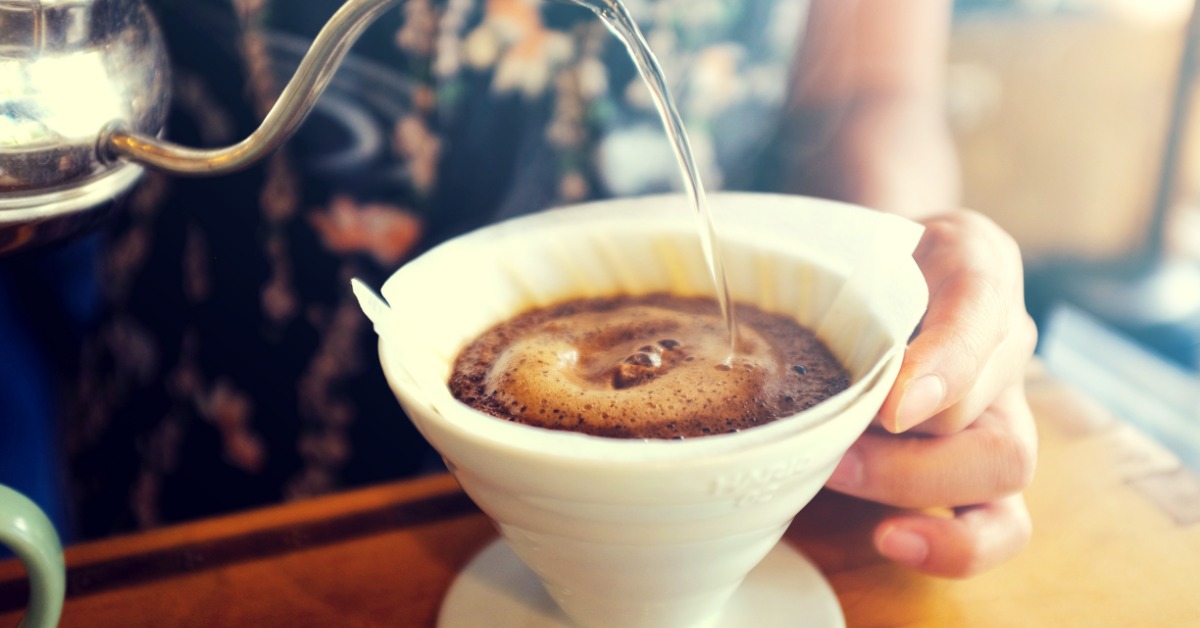
Grind size is not a one-size-fits-all setting; you must tailor it to your specific brewing method. The size of the coffee grounds determines the surface area exposed to water and, consequently, the extraction rate.
Using a grind that is too coarse for your method (like an espresso grind for a French press) will result in under-extracted, sour, and weak coffee because the water passes through too quickly. A grind that is too fine (like a French press grind for a drip machine) will lead to over-extraction, producing a bitter and muddy cup as the water struggles to flow through.
Each brewing method has an ideal grind size:
- Coarse Grind: Best for French press and cold brew.
- Medium Grind: Ideal for drip coffee makers and pour-over methods.
- Fine Grind: Suited for espresso machines and Moka pots.
Investing in a quality burr grinder will give you control over your grind size and ensure uniformity, which is key to a consistent brew.
Using Stale or Low-Quality Coffee Beans
Even with perfect technique, your coffee will only ever be as good as the beans you start with. Coffee beans begin to lose their freshness and aromatic oils shortly after being roasted. Pre-ground coffee loses its flavor even faster due to increased exposure to oxygen. Using old, stale beans will inevitably result in a flat, dull, and lifeless cup, no matter how carefully you brew it.
Investing in high-quality beans from Door County Coffee is a surefire way to trust the beans you’re using and receive that perfectly blended cup every time. Brandy Alexander, Old Fashioned, and even our Mistletoe Mocha are coffee beans perfect for a consistent cup every morning.
Storing Coffee Beans Improperly
How you store your coffee beans has a direct impact on their freshness and flavor. Exposure to oxygen, light, heat, and moisture are the biggest enemies of roasted coffee.
Storing an 8 oz. bag of coffee in its original, unsealed bag on the kitchen counter, for example, will cause it to go stale quickly. Another common mistake is storing coffee in the refrigerator or freezer. While well-intentioned, this can introduce moisture and cause the beans to absorb unwanted odors from other foods. Store your coffee in an airtight, cool, dry place for best results.
Using Low-Quality Water
Coffee is 98 percent water, so the water quality has a considerable influence on the final taste. Tap water often contains minerals and chemicals like chlorine that can interfere with the delicate flavors of coffee, resulting in a dull or metallic taste. In comparison, using distilled or overly purified water is also a mistake, as it lacks the minerals necessary for proper flavor extraction.
Use filtered water for best results. A simple carbon filter pitcher or a filter attached to your faucet can remove impurities like chlorine while leaving in the good minerals that enhance coffee’s flavor. Using quality water is a simple yet effective way to elevate your daily brew and let the true character of your coffee beans shine through.
Brew Your Best Cup Yet
Avoiding these common coffee brewing mistakes can dramatically improve the quality of your brew. By paying attention to details like water temperature, grind size, and cleaning your equipment, you empower yourself to take control of your brew. Coffee making is a journey of discovery, and every cup is an opportunity to learn and refine your craft.
So go ahead, experiment with these tips, and enjoy the satisfaction of brewing a truly exceptional cup of coffee at home. Let Door County Coffee join you on your brewing journey. Our beans are waiting!