
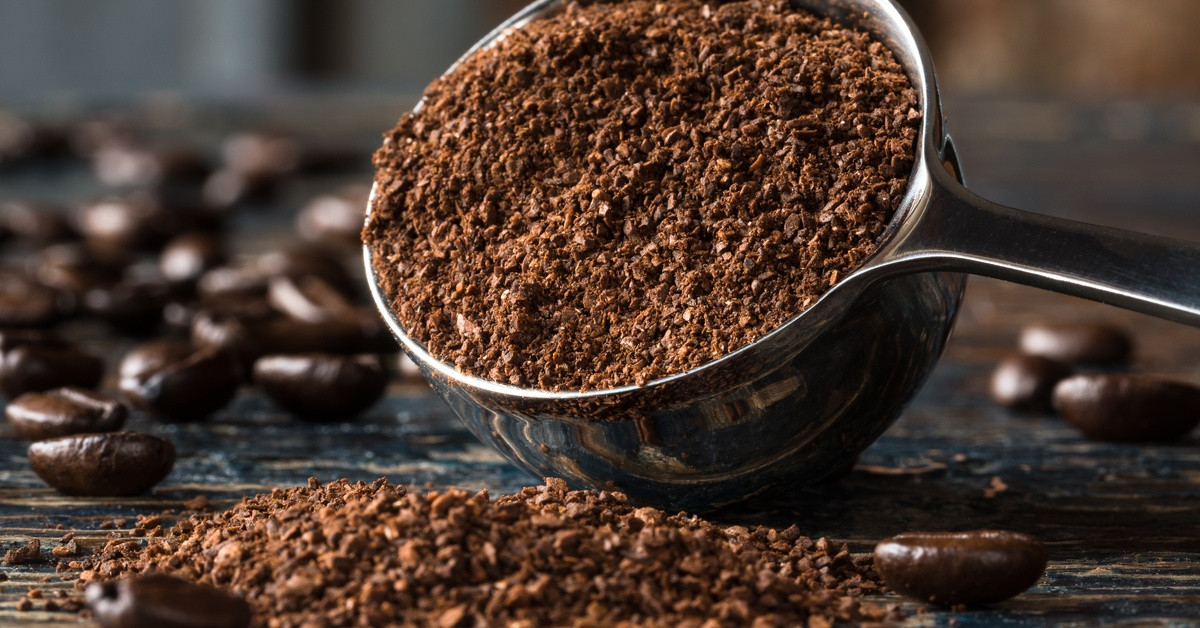
How Different Grind Sizes Affect Your Coffee Flavor
Every coffee lover knows that specific feeling. You wake up, excited for that first warm mug, only to take a sip and taste... disappointment. Maybe it’s sour and thin. Maybe it’s bitter and overwhelming. You used the same beans as last time, the same water, the same mug. So what changed? What is it this time?
Often, the culprit hides in plain sight: your grind size.
Most people underestimate how much those tiny particles matter. We tend to focus on the roast profile or the origin of the bean, which are certainly important. But the way you break down those beans determines how water interacts with them. It controls the speed of extraction, the flavor balance, and ultimately, whether your morning cup sings or falls flat.
You don’t need expensive equipment to master grind size; you just need to understand the science of extraction and how to match your grind to your brewing method. Let’s explore exactly how different grind sizes affect your coffee flavor, including how you can set yourself up for a cup that sings your song.
What Happens During Extraction?
To truly understand grind size, you must first understand extraction. Extraction is simply the process of water dissolving flavor compounds from coffee grounds. When hot water meets coffee, it pulls out fats, acids, sugars, and plant fibers.
The size of your coffee grounds determines how much surface area the water touches. Finer grounds have more surface area exposed, which means water extracts flavor from them very quickly. Coarser grounds have less surface area, slowing down the process.
Think of it like dissolving sugar in water. A spoonful of powdered sugar dissolves almost instantly because the particles are tiny. A large rock candy crystal takes much longer because the water has to work its way from the outside in. Coffee works the same way. Control the surface area, and you control the flavor.
Why Does a Fine Grind Taste Bitter?
If you grind your beans into a fine powder—similar to flour or powdered sugar—water has a hard time passing through the bed of coffee. This resistance increases the contact time between the water and the grounds.
When water sits with coffee for too long, it keeps pulling out compounds even after it has taken the good stuff. After the acids and sugars dissolve, the water starts extracting plant fibers and tannins. These compounds taste dry, ashy, and bitter.
Why Does a Coarse Grind Taste Sour?
On the other end of the spectrum, we have coarse grinds. These look like sea salt or chunky breadcrumbs. Water flows through these large particles very quickly because there is plenty of space between them.
If the water rushes through too fast, it doesn’t have time to grab the delicious oils and sugars. It only grabs the first compounds to dissolve, which are the fruit acids. While acidity is good in moderation, it needs sweetness to balance it out.
The Role of Consistency in Grinding
Size matters, but consistency matters just as much. If your grinder produces fines (tiny dust-like particles) and boulders (large chunks) at the same time, you will have a problem.
The fines will over extract and add bitterness, while the boulders will under extract and add sourness. The result is a muddy, confusing cup of coffee that tastes both bitter and sour.
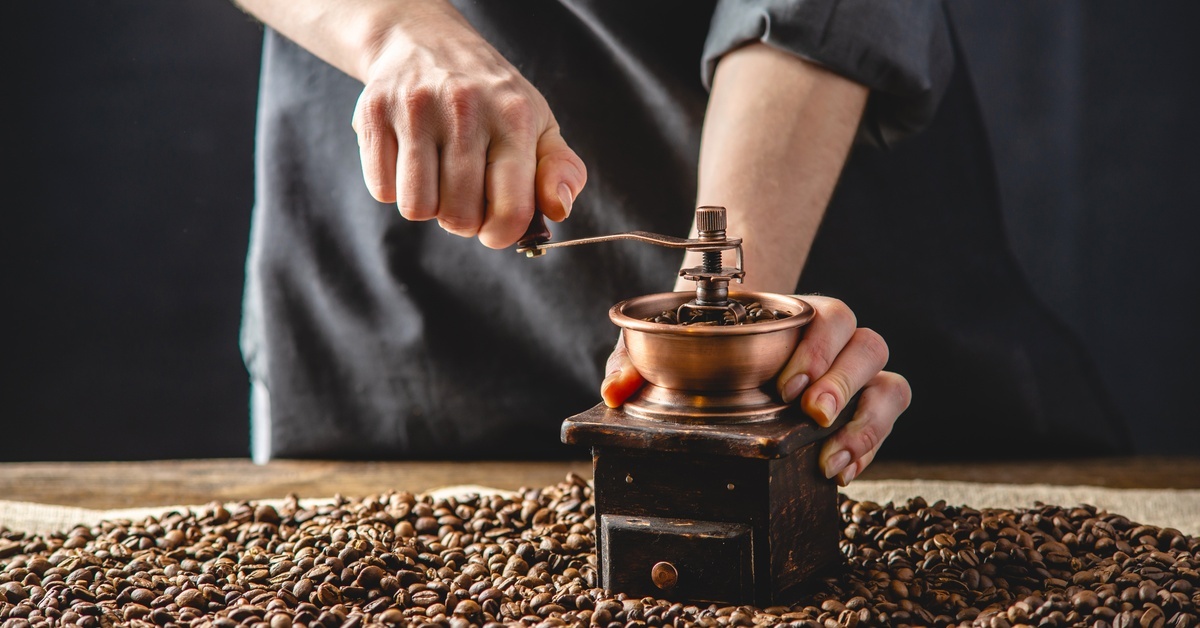
A quality burr grinder solves this. Unlike blade grinders, which chop beans randomly, burr grinders crush beans to a uniform size. This ensures every particle extracts at the same rate, giving you a clean, clear flavor profile.
Matching Grind to Method: French Press
The French Press is an immersion brew method. The grounds sit in the water for several minutes. Because the contact time is so long (usually four minutes), you need a coarse grind.
Think of coarse sea salt. If you use a fine grind here, the water will extract way too much flavor over four minutes, resulting in a bitter sludge. Plus, the fine particles will slip through the metal mesh filter, leaving you with a gritty texture in your mug.
Matching Grind to Method: Pour Over
Pour-over brewing thrives on gravity. You pour water over the grounds, and it drips through a paper filter. The grind size controls the flow rate.
For most pour-over drippers, you want a medium grind, similar to sand or kosher salt. If you grind the beans too fine, the water pools on top and drips slowly, leading to bitterness. If it’s too coarse, the water will rush straight through, resulting in a weak, sour tea-like beverage.
You might need to adjust slightly depending on your specific device. Cone-shaped drippers often require a slightly finer grind than flat-bottomed ones, but starting in the medium range is your safest bet.
Matching Grind to Method: Espresso
Espresso is intense. It uses high pressure to force a small amount of water through a puck of coffee in just 20 to 30 seconds. You need a very fine grind to create enough resistance for that pressure to build.
The texture should feel like table salt or flour. This fine density creates a barrier that the pressurized water must work hard to push through. This struggle extracts a massive amount of oils and solids quickly, creating the thick body and crema we love in espresso.
How To Experiment at Home
The best way to learn is to taste. Buy a bag of quality beans from your favorite online coffee shops or local roaster and try this experiment.
Brew three cups using the same method, but change the grind setting for each:
- Cup 1: Fine grind
- Cup 2: Medium grind
- Cup 3: Coarse grind
Troubleshooting Your Daily Brew
Coffee beans age. As they get older, they lose CO2 and oils, which changes how they absorb water. A grind setting that worked perfectly last week might taste slightly different today.
Don’t be afraid to adjust. If your shots start running too fast as the beans age, tighten the grind slightly. If a new bag of dark roast extracts faster than your previous light roast, coarsen the grind to compensate.
You are the chef in your kitchen. The recipe on the bag is just a starting point. Trust your taste buds. If it tastes good, it’s good. If it doesn’t, change the grind size before you blame the beans. Invest in high-quality beans from the start from Door County Coffee and use this guide to different grind sizes. Your coffee flavor will be strong and consistent each cup. Enjoy!