Make Your Coffee Less Bitter
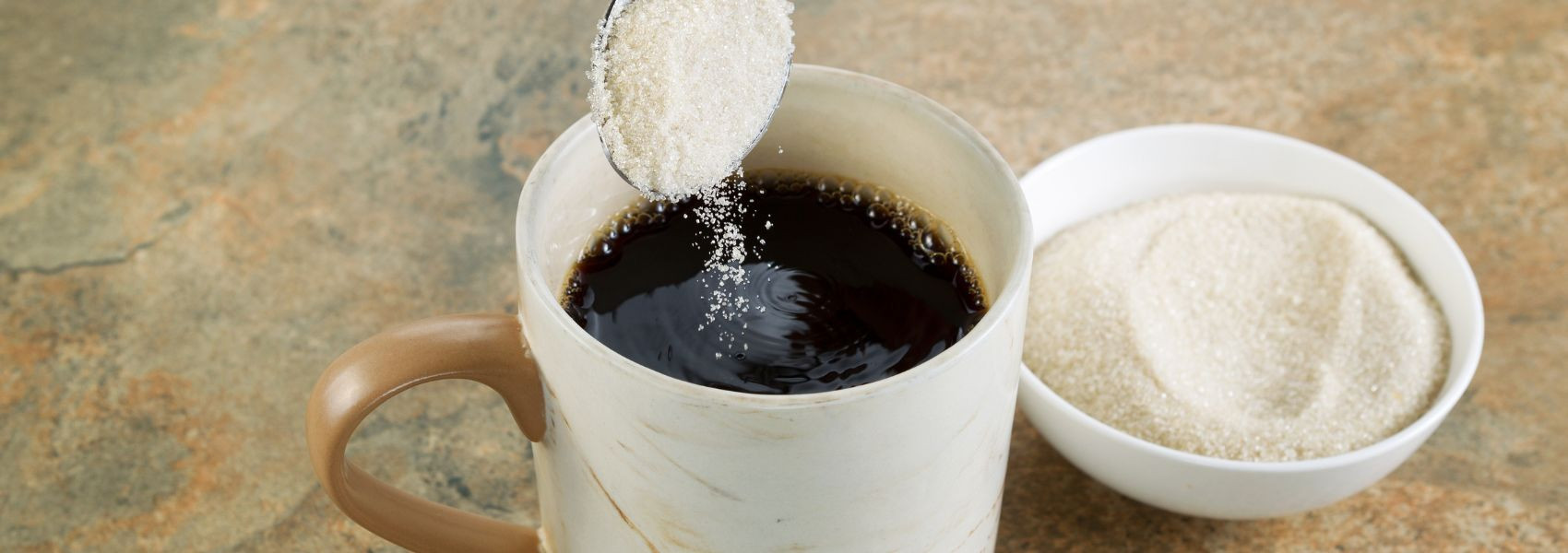
We’ve all been there. You wake up, eager for that first sip of morning magic, only to be greeted by a harsh, biting flavor that makes your face pucker. Bitterness is the arch-nemesis of a good cup of coffee. For many, the immediate reaction is to reach for the sugar bowl or cream jug to mask the taste. But what if you could brew a cup so smooth and naturally sweet that you didn't need any additives at all?
Reducing bitterness isn't about covering up mistakes; it's about mastering the science of extraction and starting with the right ingredients. By tweaking a few variables in your brewing routine and upgrading the quality of your beans, you can unlock a world of rich, complex flavors that are naturally delicious.
Here is your comprehensive guide to banishing bitterness and brewing the perfect cup, straight from the experts at Door County Coffee.
The Root of Bitterness: Understanding Extraction
Before fixing the problem, we need to understand why coffee gets bitter in the first place. Coffee brewing is essentially a chemistry experiment. Hot water acts as a solvent, pulling compounds out of the coffee grounds. This process is called extraction.
Extraction happens in stages. First, water extracts the acids and fats, which provide brightness and aroma. Next come the sugars, offering sweetness and balance. Finally, if the water stays in contact with the grounds too long, it begins to pull out plant fibers and tannins. These are the culprits behind that dry, astringent, and bitter taste.
When your coffee tastes bitter, it is usually "over-extracted." This means you have pulled too much out of the bean. The goal is to hit the "sweet spot"—literally—where you have extracted the acids and sugars but stopped before the heavy bitterness sets in.
1. Dial in Your Grind Size
One of the most common reasons for bitter coffee is a grind size that is too fine. Think of it this way: the finer the coffee is ground, the more surface area is exposed to the water. This allows the water to extract flavor much faster.
If your grounds resemble powdered sugar but you are using a standard drip brewer or French press, the water will struggle to flow through the compact bed of coffee. This leads to increased contact time and over-extraction. The result? A harsh, bitter brew.
The Fix: If your coffee is bitter, try coarsening your grind.
- French Press: Needs a coarse grind, like sea salt.
- Drip Coffee Maker: Needs a medium grind, like sand.
- Pour-Over: Needs a medium-fine grind, like table salt.
- Espresso: Needs a fine grind.
By adjusting the grind to be slightly coarser, you slow down the extraction rate, leaving those bitter tannins behind in the grounds where they belong.
2. Watch Your Water Temperature
Boiling water is often the enemy of fresh coffee grounds. When water is too hot (above 205°F), it scorches the coffee and extracts compounds too aggressively. This "burning" of the coffee releases bitter chemical components almost instantly.
Conversely, water that is too cool won't extract enough flavor, leading to a sour or weak cup. But for battling bitterness, heat is the variable to watch.
The Fix: The ideal temperature range for brewing coffee is between 195°F and 205°F. If you don't have a kettle with a thermometer, simply bring your water to a boil and then let it sit for about 30 seconds before pouring. This small pause allows the temperature to drop just enough to brew gently without scalding the beans.
3. Timing is Everything
Just like baking a cake, brewing coffee requires precise timing. If you leave the water in contact with the grounds for too long, you will inevitably over-extract the coffee.
- French Press: 4 to 5 minutes max.
- Pour-Over/Drip: 3 to 4 minutes.
- Espresso: 25 to 30 seconds.
The Fix: Use a timer. If your French press tastes bitter after a 6-minute steep, cut it down to 4 minutes next time. You will likely notice that the sweetness remains while the bitterness vanishes.
4. The Golden Ratio
Using too much coffee relative to water can result in a concentrated, intense brew that leans towards bitter. However, using too little water can also cause issues, as the water that is present over-extracts the small amount of coffee available.
The Fix: Personal preference plays a role here, but a solid standard to start with is about 1 to 2 tablespoons of ground coffee for every 6 ounces of water. At Door County Coffee, we recommend using about 5-6 tablespoons of ground coffee per pot, or for ultimate ease, using our perfectly pre-measured full-pot bags (1.5 oz of coffee to 48 oz of water). This ensures a consistent, balanced strength every single time.
5. The Secret Weapon: High-Quality Beans
You can have the perfect grind, the ideal temperature, and the precision of a scientist, but if you start with low-quality beans, your coffee will still taste bitter.
Low-grade coffee beans, often of the Robusta variety, are naturally harsher and contain more caffeine and less sugar than their Arabica counterparts. They are often grown at lower altitudes and harvested mechanically, which can include under-ripe or defective cherries that taint the flavor.
This is where Door County Coffee sets itself apart.
The Specialty Class 1 Difference
We use only Specialty Class 1 Arabica coffee beans. To put that in perspective, these beans represent the top 2% of what is grown in the world. That means 98% of global coffee production does not meet our rigorous standards.
Why does this matter for bitterness?
- Lower Caffeine, Smoother Taste: Arabica beans contain less caffeine than Robusta beans. Caffeine is naturally bitter. By using strictly Class 1 Arabica, we automatically start with a smoother base profile.
- High-Altitude Growth: Our beans are grown at elevations of 2,500 feet or higher. At these heights, coffee cherries mature more slowly, becoming denser and developing more complex sugars. This results in a bean that is naturally sweeter, fruitier, and more floral.
- Hand-Picked Perfection: Our beans are often hand-picked by farmers who select only the perfectly ripe cherries. This eliminates the unripe, sour, or defective beans often found in lower-grade commercial coffees.
When you brew with Specialty Class 1 beans, you aren't fighting against the natural bitterness of the bean; you are simply unlocking its inherent quality.
6. Freshness and Proper Storage
Even the best beans in the world will turn bitter and stale if they aren't fresh. When coffee is roasted, it releases carbon dioxide. Once that gas is gone, oxygen takes over, causing the oils in the coffee to go rancid. Rancid oils equal bitter coffee.
The Fix:
- Check the Roast: Look for a roast date, not just an expiration date. Ideally, brew your beans within a few weeks of roasting.
- Airtight is Right: Oxygen is the enemy. Store your beans in an opaque, airtight container at room temperature. Avoid the fridge or freezer, as moisture can damage the oils.
- Look for the Valve: High-quality packaging, like ours at Door County Coffee, includes a one-way valve. This lets the CO2 escape without letting oxygen in, keeping your beans fresh and flavorful for longer.
7. Try Single-Origin or Medium Roasts
If you are particularly sensitive to bitterness, the roast profile you choose matters immensely. Dark roasts are popular for their boldness, but that "roasty" flavor is essentially carbonization, which is bitter by nature.
To avoid this, explore Single-Origin coffees or medium roasts. Single-origin beans come from one specific region—like Colombia, Ethiopia, or Costa Rica—allowing you to taste the unique "terroir" of that area.
- African coffees often have floral and fruity notes.
- Central American coffees are famous for being balanced and mild.
- South American coffees offer mellow acidity and chocolatey smoothness.
By choosing a medium roast single-origin, you preserve the natural sugars and unique flavors of the bean without introducing the bitterness of a heavy dark roast.
Conclusion: Life is Too Short for Bitter Coffee
Making coffee taste less bitter without sugar isn't magic; it's a combination of better brewing habits and superior ingredients. By paying attention to your grind, water temperature, and brew time, you can significantly improve your daily cup.
However, the single most impactful change you can make is upgrading your beans. When you choose Door County Coffee, you are choosing the top 2% of beans in the world—Specialty Class 1 Arabica beans that are grown to be naturally smooth, sweet, and void of defects.
Stop masking bad coffee with sugar and cream. Experience the difference that quality makes.
Ready to brew your best cup yet? Explore our selection of Specialty Class 1 Arabica coffees at Door County Coffee today and taste the difference for yourself.