

Why Coffee Beans Can Have Fruity, Nutty, or Chocolatey Notes
Coffee surprises people. Many expect bitterness, but high-quality coffee beans deliver flavors that remind drinkers of berries, toasted nuts, cocoa, or caramel. These notes do not come from additives or flavorings, and definitely not by accident. Coffee creates them naturally through plant chemistry, growing conditions, and careful roasting.
At Door County Coffee, we talk with customers every day who ask how a coffee bean can taste like fruit or chocolate. The answer sits at the intersection of agriculture, science, and craft. When growers, roasters, and brewers respect the bean, coffee shows its full personality. Here’s the inside scoop on why coffee beans can have fruity, nutty, or chocolatey notes.
Coffee Flavor Starts Inside the Coffee Cherry
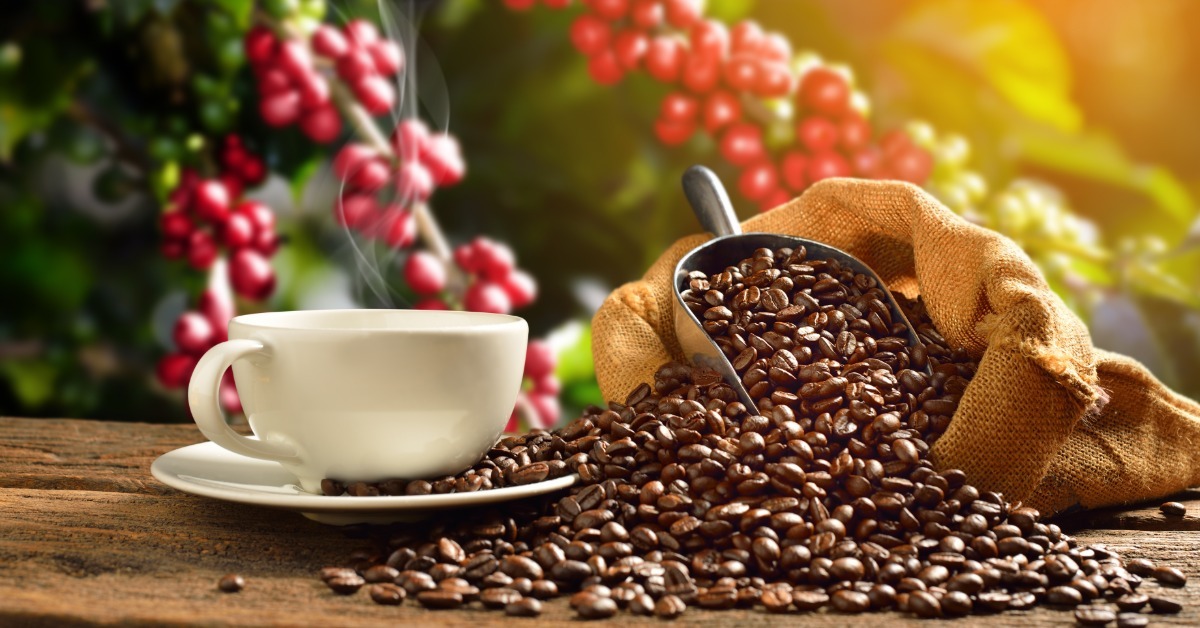
Coffee begins as a fruit. Each bean grows inside a coffee cherry, and that fruit plays a huge role in flavor development. Sugars, acids, and organic compounds form while the cherry ripens on the plant.
Ripe cherries hold higher sugar levels, which later transform during roasting. Those sugars create flavors that remind people of berries, citrus, honey, or milk chocolate. Under-ripe cherries lack complexity and often produce flat or sour cups.
Growers who harvest cherries at peak ripeness give coffee a huge advantage before it ever leaves the farm. That careful harvesting shows up later as sweetness and balance in the cup.
Origin and Terroir Shape Every Flavor Note
Just like wine grapes, coffee reflects where it grows. Climate, altitude, soil composition, and rainfall all influence how flavors develop inside the bean. Coffee professionals call this terroir.
High-altitude regions slow down cherry growth. That slower pace allows more sugars and acids to develop, which often leads to brighter, fruit-forward profiles. Lower altitudes encourage nutty, cocoa-leaning flavors with softer acidity.
Different regions consistently produce recognizable flavor families:
- African coffees often taste fruity or floral, with notes like blueberry or citrus
- Central American coffees frequently balance sweetness with nutty or caramel tones
- South American coffees tend to showcase chocolatey, nut-based flavors with smooth bodies.
Processing Methods Unlock Fruity or Chocolatey Character
After harvest, farmers remove the coffee bean from the cherry. That process dramatically affects flavor. The way producers handle the fruit determines how much sweetness or fruit character transfers into the bean.
- Washed processing removes the fruit quickly and highlights clarity and acidity. These coffees often taste crisp, clean, and lightly fruity.
- Natural processing dries the whole cherry around the bean. The sugars from the fruit seep inward, creating bold fruit flavors and heavier sweetness.
- Honey processing falls between washed and natural methods. It leaves some fruit on the bean and often produces rich, syrupy sweetness with caramel or chocolate notes.
We recommend trying coffees processed in different ways to understand how much the fruit itself influences flavor.
Aroma Plays a Bigger Role Than Most People Realize
Flavor does not live only on the tongue. Aroma shapes how people perceive taste. When you smell coffee, volatile compounds travel directly to sensory receptors that interpret flavor.
That connection explains why coffee smells like chocolate or fruit even before the first sip. Roasting creates aromatic compounds that resemble familiar foods. Your brain recognizes those aromas and translates them into flavor experiences.
Freshly ground coffee releases more aroma than pre-ground coffee. Grinding right before brewing unlocks those fruity, nutty, or chocolatey notes more clearly.
Brewing Choices Influence Flavor Expression
Even the best coffee beans need proper brewing to shine. Grind size, water quality, and brew method all affect how flavors extract into the cup.
Over-extraction pulls bitterness and masks sweetness. Under-extraction leaves coffee tasting sour or thin. Balanced extraction allows natural flavors to stand out.
For example, pour-over brewing often highlights fruity and floral notes, while French press brewing emphasizes body and chocolatey richness. Espresso concentrates sweetness and intensifies flavor.
Consider experimenting with different brew methods to discover how the same coffee expresses itself in new ways. You might find a fun new hobby in the sampling various brewing methods out there.

Why Quality and Ethics Matter in Flavor
Flavor connects directly to how people grow and source coffee. Ethical sourcing supports better farming practices, fair wages, and long-term sustainability. Those factors lead to healthier plants and higher-quality beans.
Family-owned businesses like Door County Coffee value relationships with growers. When farmers receive fair compensation, they invest more care into harvesting and processing. That care translates directly into better flavor and consistency.
Understanding Flavor Notes vs. Added Flavor
Some drinkers worry that fruity or chocolatey notes mean added ingredients. In reality, tasting notes describe natural characteristics already present in the bean. No one adds berries or cocoa to create those impressions.
That distinction matters when exploring flavored gourmet coffee, which uses natural flavoring oils to create specific tastes beyond what the bean develops on its own. Both styles have their place, but natural tasting notes come straight from the coffee itself.
How To Train Your Palate at Home
Tasting coffee does not require professional training. Anyone can develop a better sense of flavor with a little intention.
Start by slowing down. Smell the coffee before sipping. Notice sweetness, acidity, and body. Compare coffees side by side when possible.
Pay attention to familiar flavors. If something reminds you of almonds, cocoa, or berries, trust that instinct. Flavor language exists to help people communicate experiences, not intimidate them.
Door County Coffee Focuses on Balance and Approachability
Door County Coffee started as a small, family-owned business, and that mindset still guides everything we do. We believe coffee should feel welcoming, not overwhelming.
We source beans that deliver consistent quality and roast them to highlight sweetness and balance. Our goal involves creating coffees that taste great black or with cream, whether customers prefer fruity brightness or smooth chocolate richness.
A Note About Coffee Flavor Complexity
Coffee beans develop fruity, nutty, or chocolatey notes because nature and craftsmanship work together in harmony. From cherry ripeness to roasting technique, every step influences what ends up in your cup.
When you choose thoughtfully sourced coffee beans like ours and brew them with care, flavor becomes an experience rather than a mystery. Coffee stops tasting generic and starts telling a story. If you ever wonder why one cup tastes like cocoa and another like berries, now you know. Grab some of our favorite gourmet beans and experience a story in every sip.